
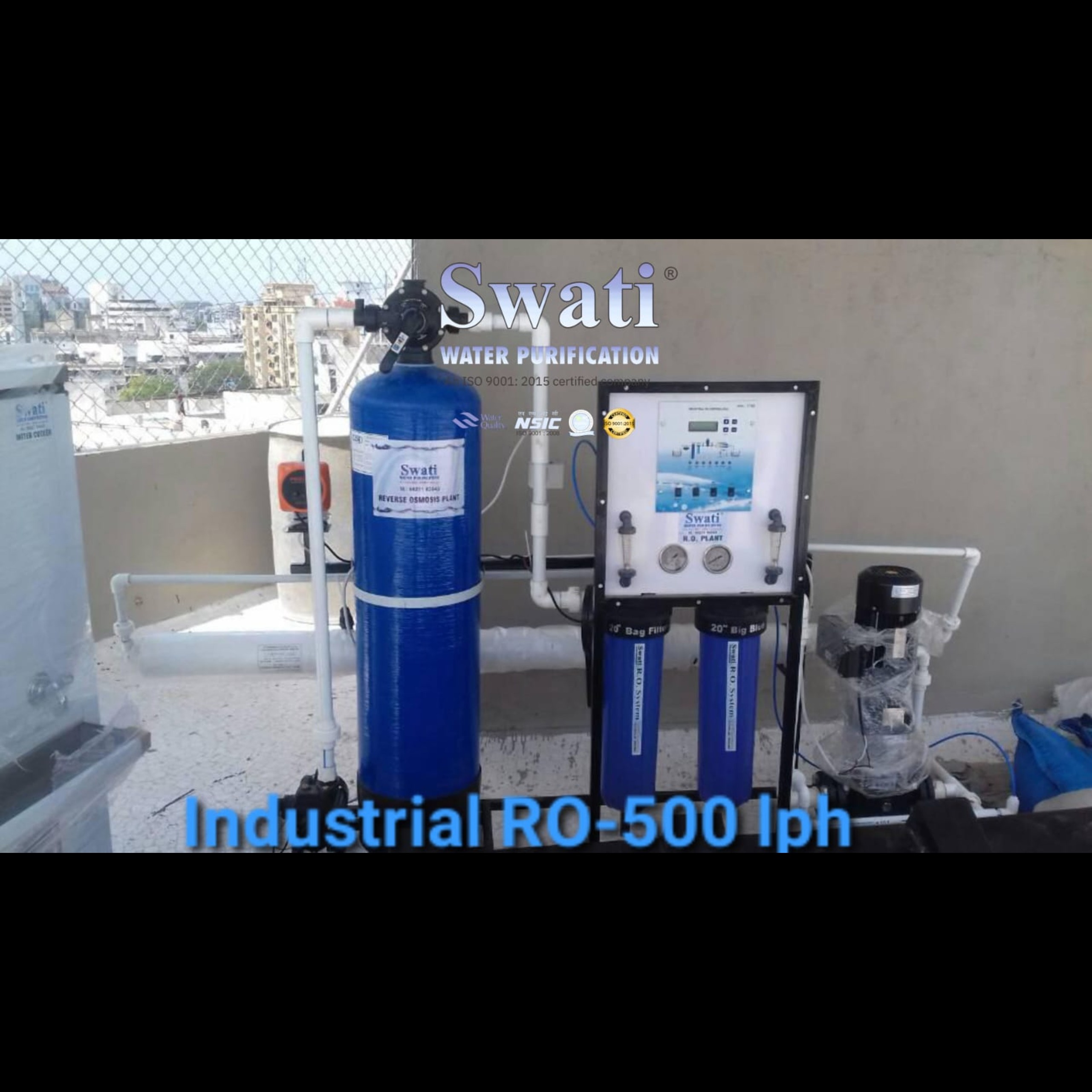
Mastering Water Purity: The Ultimate Guide to 500 LPH Reverse Osmosis Plants by Swati Water Purification
Access to safe, reliable, and chemically balanced water is a core operational requirement for commercial enterprises, healthcare facilities, and light manufacturing units. Across commercial corridors and industrial clusters in Western India, fluctuating groundwater levels and escalating total dissolved solids (TDS) present severe scaling and health challenges.
For facilities requiring an uninterrupted, high-capacity output of pure water, partnering with an experienced 500LPH Reverse Osmosis Plants Manufacturer In Ahmedabad/Gujarat is essential. Swati Water Purification designs and delivers heavy-duty, energy-optimized 500 Liters Per Hour (LPH) RO systems engineered specifically to handle regional water chemistry constraints.
The Growing Need for 500 LPH RO Plants in Gujarat
Industrial and urban hubs across Gujarat—including Ahmedabad, Gandhinagar, Surat, Vadodara, and Rajkot—frequently rely on deep borewell or municipal supplies characterized by high mineral hardness, chlorides, and salinity.
Utilizing untreated or partially filtered water introduces severe operational bottlenecks:
Equipment Scaling and Corrosion: Hard calcium and magnesium ions precipitate inside commercial boilers, ice makers, coffee machines, and sterilizers, resulting in premature equipment failure and costly downtime.
Health and Safety Liabilities: Pathogens, bacteria, and toxic heavy metals present in raw water sources pose direct health risks to employees, students, and customers.
Compromised Production Standards: Food processing, pharmaceutical packaging, and hospitality units experience batch inconsistencies when using unconditioned water inputs.
A mid-capacity 500 LPH Reverse Osmosis Plant bridges the gap between small domestic filters and massive industrial processing setups, providing an ideal volume output for continuous commercial use.
Technical Architecture of a Swati 500 LPH RO System
A high-performance reverse osmosis plant relies on a synchronized sequence of mechanical pre-treatment, membrane separation, and smart electronic controls. At Swati Water Purification, every 500 LPH system integrates precision components:
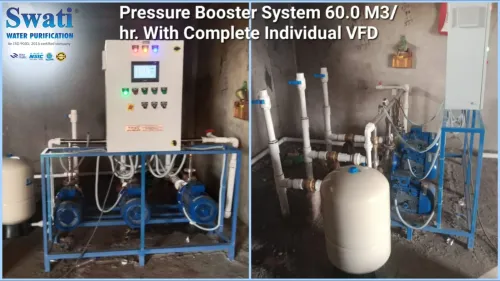
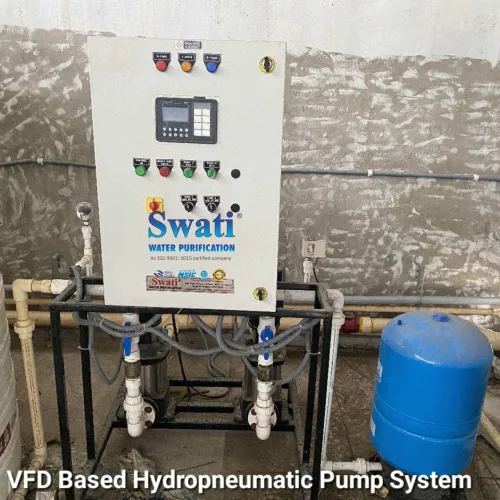
Raw Water Intake & Feed Pumping: Heavy-duty centrifugal booster pumps draw source water from underground bores or storage reservoirs at a steady operating pressure.
Pressure Sand Filter (PSF): Multi-grade quartz and silex sand beds capture suspended solids, turbidity, silt, and physical debris down to 20 microns.
Activated Carbon Filter (ACF): Granular activated carbon adsorbs free chlorine, unpleasant odors, and volatile organic compounds that degrade sensitive membranes.
Antiscalant Dosing System: Precision electronic metering pumps automatically introduce scale-inhibiting chemicals to prevent mineral precipitation on membrane surfaces.
Micron Cartridge Filter (MCF): Serves as a final security guard, intercepting fine particulate matter down to 5 microns before high-pressure pumping.
High-Pressure Multistage Pump: Generates the mechanical force required to overcome natural osmotic pressure across thin-film composite (TFC) RO membranes.
RO Modules & TDS Controller: The core separation phase, where dissolved ionic contaminants are rejected into a wastewater stream while pure permeate is blended to optimal mineral levels via a precision TDS controller.
Key Applications Across Diverse Sectors
The 500 LPH capacity threshold is uniquely engineered for establishments requiring continuous, round-the-clock water availability:
Healthcare & Diagnostic Laboratories: Supplying sterile, purified water for instrument autoclaving, laboratory testing, washing sinks, and patient hydration.
HORECA (Hotels, Restaurants, & Cafes): Powering commercial kitchens, dishwashing systems, and ice-cube machines with scale-free water to protect expensive appliances.
Educational Institutions: Schools, universities, and coaching campuses rely on 500 LPH systems to provide safe, centralized drinking water to hundreds of students daily.
Corporate Offices & IT Parks: Replacing cumbersome plastic water jars with clean, high-flow centralized hydration stations.
Light Manufacturing & Processing Units: Utilized in cosmetic formulation, non-critical chemical mixing, bottle rinsing loops, and component washing baths.
Uses and Benefits of Installing a 500 LPH RO Plant
Investing in a specialized commercial system yields significant operational, health, and financial advantages:
Consistent Purity Levels: Effectively eliminates 95% to 99% of harmful dissolved salts, heavy metals, fluoride, arsenic, and microbiological load.
Extended Equipment Lifespan: Supplying low-TDS, soft water stops scale accumulation in machinery, drastically lowering repair overhead and equipment depreciation.
Optimized Power Consumption: Modern commercial skids integrate energy-efficient motor configurations and smart low-voltage electrical controls to minimize kilowatt-hour usage per liter produced.
Compact, Ergonomic Footprint: Systems are built on sturdy skids designed to occupy minimal floor space, fitting easily into utility rooms, basements, or dedicated plant areas.
Regulatory Compliance: Ensures commercial establishments meet localized health and safety standards for potable water and discharge management.
Frequently Asked Questions (FAQs)
1. What is the actual net output of a 500 LPH RO plant?
A 500 LPH plant produces 500 liters of purified water per hour under optimal operating parameters (feed water pressure, temperature, and input TDS). Factoring in a standard recovery rate of 50% to 60%, the system consumes roughly 850 to 1,000 liters of raw feed water per hour.
2. Can the system process high-TDS borewell water?
Yes. Our engineering team examines your water source analysis prior to manufacturing, adjusting pump pressures and membrane staging to effectively treat high-salinity borewell and brackish water sources across Gujarat.
3. How can the reject water (wastewater) from the RO system be utilized?
Because reverse osmosis concentrates minerals into a separate reject stream, this water remains suitable for numerous non-potable tasks. It can be safely diverted for floor cleaning, landscaping, vehicle washing, toilet flushing, or cooling tower make-up loops.
4. What routine maintenance schedule should be followed?
Routine upkeep includes logging operating pressures and flow rates daily, testing product water TDS levels weekly, inspecting chemical dosing tanks monthly, and replacing sediment pre-filter cartridges every 6 months.
Are you ready to elevate your facility's water infrastructure with a high-efficiency, dependable purification system? Contact Swati Water Purification today
Contact Us: +91 98251 83643 | +91 70439 99563
E-Mail : info@swatiwater.com | sales@swatiwater.com