
Commercial RO Plant Engineering: The Definitive Infrastructure Manual for Growing Businesses
Water security is a critical operational parameter for modern commercial establishments. Whether managing corporate workspaces, hospitality venues, healthcare clinics, or educational campuses, the quality of water directly influences public health, occupant comfort, and the lifespan of capital equipment.
In economic hubs characterized by high Total Dissolved Solids (TDS), brackish groundwater profiles, and intense urban growth—such as Ahmedabad, Gandhinagar, and the broader industrial corridors of Gujarat—standard consumer-grade purifiers are wholly inadequate. Businesses require engineered, high-capacity water treatment systems designed for heavy, continuous duty cycles.
As a leading Commercial RO Plant Manufacturer, Swati Water Purification specializes in designing, fabricating, and commissioning advanced industrial-grade reverse osmosis solutions customized to meet the precise water chemistry of enterprises throughout Ahmedabad, Gandhinagar, and across Gujarat.
Structural Anatomy and Technological Framework
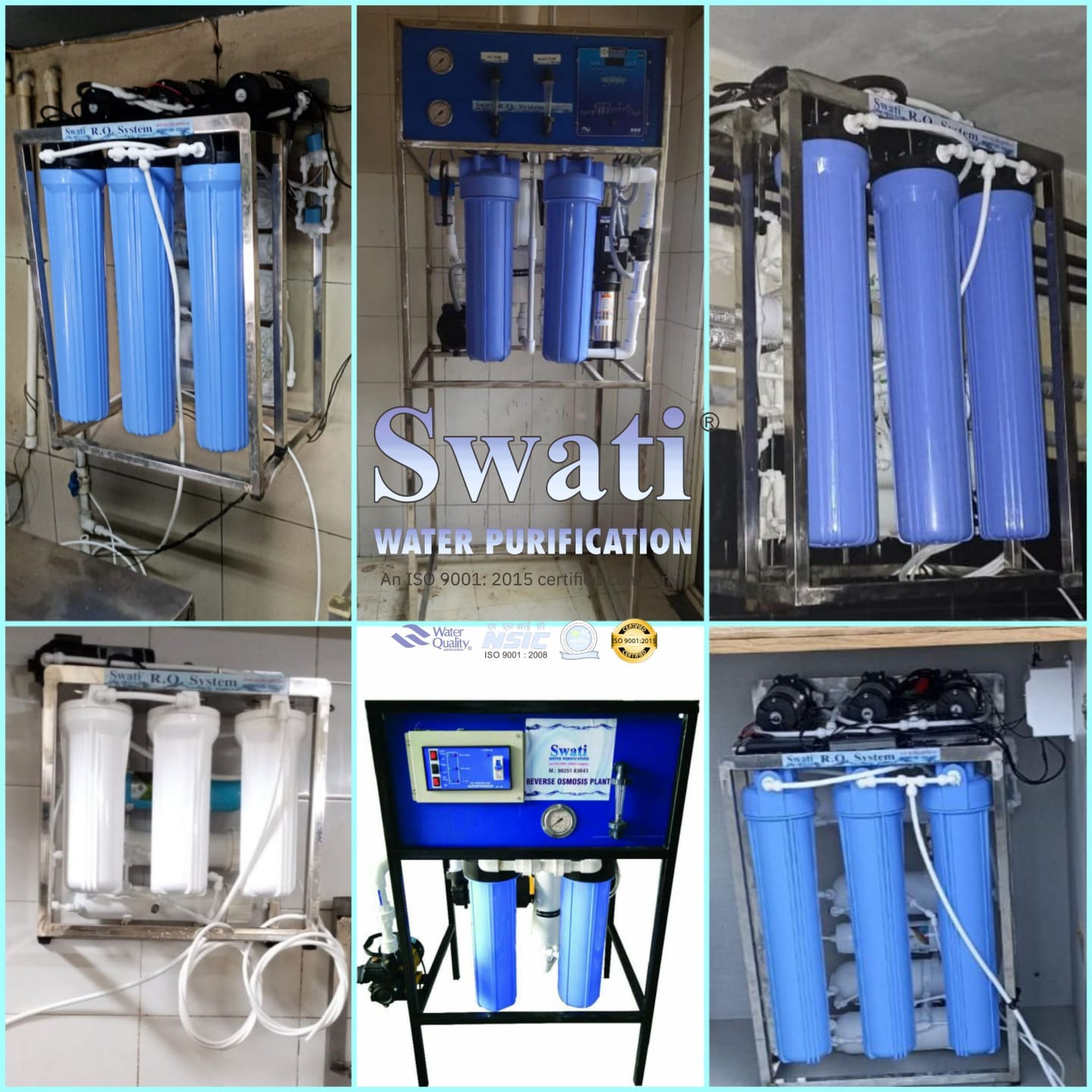
A commercial Reverse Osmosis plant bridges the performance gap between small point-of-use domestic filters and massive municipal water treatment facilities. Engineered for continuous operation across extended work shifts, these systems utilize multi-stage separation to deliver consistent, high-purity water.
The Multi-Stage Purification Train
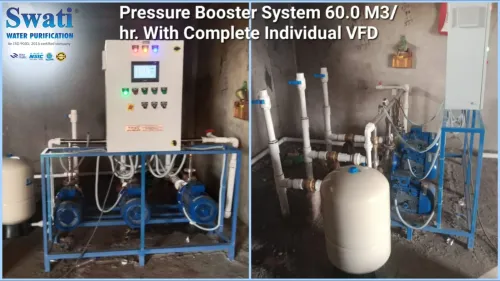
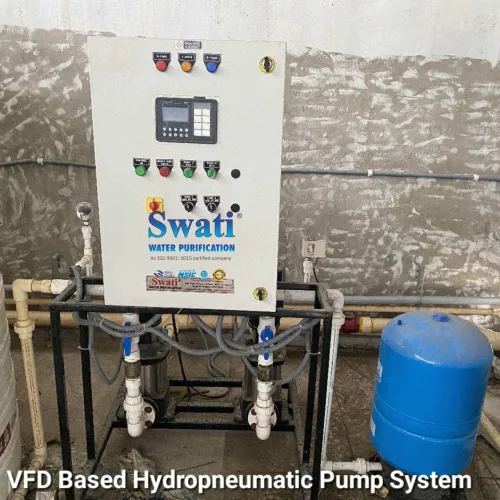
Raw Water Feed & Pressurization: A robust centrifugal pump draws raw water from underground sumps or overhead storage, maintaining steady hydraulic pressure through the pre-treatment sequence.
Pressure Sand Filtration (PSF): Multi-graded silex and quartz media beds intercept suspended particulate matter, turbidity, silt, and colloidal debris down to 20 microns.
Granular Activated Carbon (GAC) Adsorption: Specialized carbon media beds adsorb free chlorine, chloramines, volatile organic chemicals (VOCs), and offensive odors that would otherwise chemically damage RO membranes.
Automatic Antiscalant Dosing System: A precision metered chemical pump injects food-grade antiscalant into the stream, binding with calcium and magnesium ions to prevent scale precipitation on membrane surfaces in hard-water zones.
Precision Cartridge Filtration: Multi-layer polypropylene sediment filters (5-micron and 1-micron ratings) act as a security barrier, capturing microscopic particulate matter prior to high-pressure pressurization.
High-Pressure Positive Displacement Pump: Elevates operating pressure between 150 and 225 PSI, overcoming natural osmotic pressure to force water through spiral-wound thin-film composite (TFC) membranes, achieving up to 99% ionic salt rejection.
Regional Adaptation: Ahmedabad, Gandhinagar, and Gujarat
Water chemistry shifts dynamically across Gujarat's urban and industrial landscapes. Deep borewells in commercial sectors often present heavy brackish properties and elevated TDS, while municipal networks experience seasonal variations.
Swati Water Purification performs thorough feed-water testing prior to equipment assembly, matching membrane salt-rejection ratings and pump head pressures directly to local water chemistry. Turnkey supply and installation services cover commercial properties across Ahmedabad, Gandhinagar, and major industrial centers throughout Gujarat, ensuring smooth setup with zero disruption to daily business workflows.
Diverse Commercial Applications
Commercial reverse osmosis systems provide vital water purification across a wide array of business sectors:
Corporate Offices & IT Parks: Supplying pure drinking water for office pantries, water coolers, and cafeterias to maintain high workforce hydration and health standards.
HORECA Sector (Hotels, Restaurants, and Cafes): Essential for commercial kitchens, beverage preparation, crystal-clear ice production, and spotless glassware cleaning free of mineral spotting.
Healthcare & Diagnostic Facilities: Delivering sterile water required for clinical cleaning, equipment sanitation, and daily patient care support.
Educational Institutions: Fulfilling the massive hydration demands of schools, universities, and student residential hostels with continuous pure water output.
Light Manufacturing & Pharmaceuticals: Providing baseline pure water for product packaging lines, cosmetics blending, and general industrial rinsing applications.
Operational Advantages and Strategic Returns
Transitioning from traditional external water deliveries (such as 20-liter plastic jars) to an in-house commercial RO plant provides immediate operational and financial advantages:
Substantial Cost Reductions: Eliminating recurring expenses for bottled water jars delivers a rapid return on investment (ROI) within months.
Guaranteed Microbiological Safety: Continuous in-house oversight ensures consistent TDS levels and absolute freedom from waterborne pathogens.
Equipment Asset Protection: Removing hard minerals and heavy TDS prevents scale accumulation in commercial coffee makers, dishwashers, and water boilers, extending equipment lifespans.
Corporate Sustainability: Phasing out plastic delivery jars reduces corporate carbon footprints and aligns with modern environmental standards.
Frequently Asked Questions (FAQs)
Q1: What capacity ranges are available for commercial RO plants?
A: Commercial RO systems are categorized by hourly production metrics—typically ranging from 250 LPH, 500 LPH, 1000 LPH, and beyond. When operated across a standard 8-to-10-hour workday, they yield thousands of liters of purified water daily to match your specific enterprise size.
Q2: What spatial footprint is required to house a commercial RO plant?
A: A compact skid-mounted commercial system typically requires roughly 20 to 50 square feet of floor space, alongside designated clearance for raw feed water tanks and purified water storage vessels.
Q3: What happens to the reject water generated during purification?
A: Reverse osmosis splits feed water into permeate (pure water) and concentrate (reject water carrying concentrated minerals). Operating at a 50% to 60% recovery rate, the reject stream can be diverted safely for non-potable secondary uses such as floor washing, landscape irrigation, or cooling tower makeup.
Q4: What is the recommended service schedule for a commercial RO plant?
A: Routine upkeep involves daily operational logging (pressure and TDS), manual or automatic backwashing of sand and carbon filters, monthly replacement of micron sediment cartridges, and professional membrane cleaning or replacement every 2 to 3 years depending on feed water quality. Comprehensive annual maintenance contracts (AMCs) are available to handle all service requirements.
Secure Your Business Water Infrastructure Today
Investing in professional water treatment infrastructure safeguards health standards, protects valuable appliances, and eliminates ongoing operational overhead.
Are you looking for a dependable Commercial RO Plant Manufacturer for your enterprise in Ahmedabad, Gandhinagar, or surrounding areas? Contact Swati Water Purification today to schedule a raw water assessment and receive a tailored system quotation designed precisely for your business!
Contact Us: +91 98251 83643 | +91 70439 99563
E-Mail : info@swatiwater.com | sales@swatiwater.com