
Next-Generation RO Machines: Maximizing Enterprise Efficiency and Fluid Purity
In today's competitive industrial and commercial landscapes, productivity relies heavily on the quality of utility inputs. When source water contains elevated Total Dissolved Solids (TDS), hardness minerals, silica, and microscopic particulates, businesses face severe setbacks, including scale-clogged pipelines, frequent machinery breakdowns, and sub-par product quality. To mitigate these risks, deploying high-capacity RO machines is essential for long-term operational success.
At Swati Water Purification, we engineer, supply, and commission high-performance Reverse Osmosis systems designed to handle rigorous commercial workloads. This manual covers everything business leaders need to know about modern purification hardware, key benefits, widespread industry applications, and our execution capabilities.
The Engineering Anatomy of Advanced RO Machines
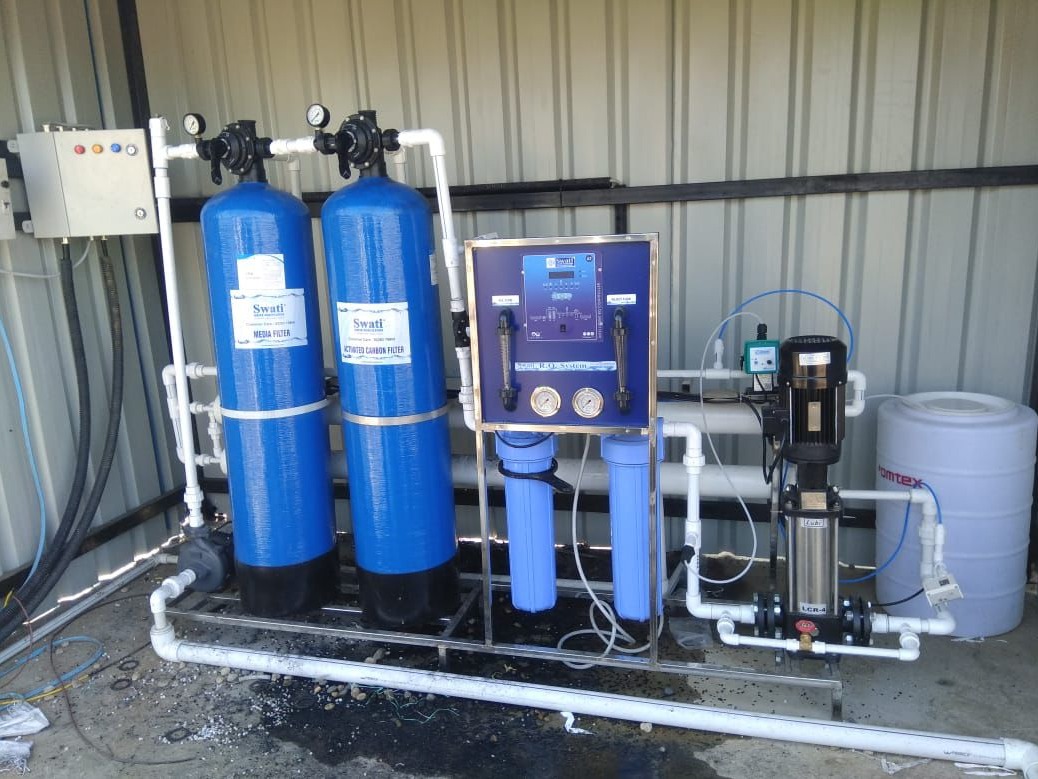
A commercial or industrial Reverse Osmosis machine is an automated fluid processing unit built to convert high-salinity borewell, surface, or municipal water into clean, demineralized output. Unlike domestic purifiers, these heavy-duty units feature:
Multi-Stage Pre-Treatment Vessels: Incorporating pressure sand filters and activated carbon units to trap suspended solids and neutralize oxidants before reaching sensitive components.
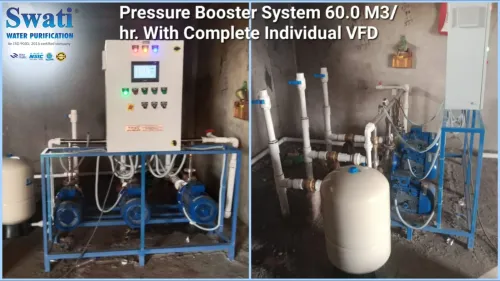
High-Pressure Centrifugal Pumps: Designed to overcome osmotic pressure, forcing water molecules through spiral-wound semi-permeable membranes.
Precision Membrane Housings: Constructed from heavy-duty Stainless Steel (SS) or FRP to maintain structural integrity under high operational bar pressures.
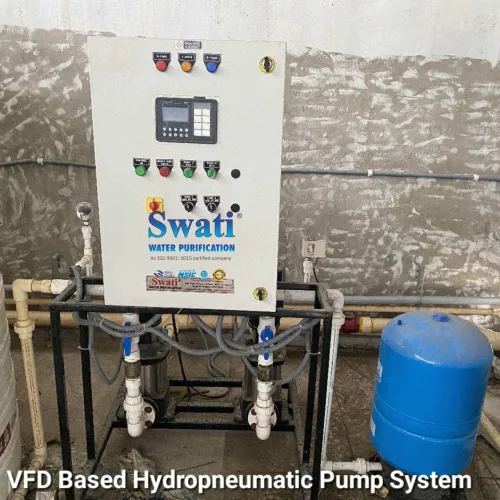
Smart Electrical Control Panels: Equipped with digital TDS meters, dry-run protection, auto-flushing modules, and high/low-pressure safety interlocks.
Core Advantages of Deploying Professional RO Equipment
Integrating a professionally configured purification system delivers immediate technical and fiscal rewards to your facility:
Complete Dissolved Impurity Removal: Effectively strips out up to 99% of dissolved salts, heavy metals (such as lead, mercury, and cadmium), and pathogenic microorganisms.
Boiler and Machinery Protection: Prevents scaling, pitting, and thermal efficiency losses in heat exchangers, chillers, and steam boilers, drastically lowering capital replacement costs.
Standardized Product Formulation: Ensures batch consistency for companies where fluid purity directly affects chemical blending, product dilution, and surface finishing.
Optimized Water Recovery: Modern configurations feature high-efficiency recycling loops that minimize wastewater discharge while maximizing hourly production volumes.
Comprehensive RO Machines Capacity Options
To accommodate global engineering standards and local plant requirements, our robust systems are available across three standard measurement metrics: Liters Per Hour (LPH), Cubic Meters Per Hour (M3/Hr), and Kilo Liters Per Hour (KLPH).
1. Capacity Range in Liter Per Hour (LPH)
Whether you need a compact system for a small facility or a heavy-duty setup for massive municipal output, our LPH range covers:
250 LPH | 500 LPH | 1000 LPH | 1500 LPH | 2000 LPH | 2500 LPH | 3000 LPH | 4000 LPH | 5000 LPH | 6000 LPH | 8000 LPH | 10000 LPH | 12000 LPH | 15000 LPH | 20000 LPH | 25000 LPH | 30000 LPH | 50000 LPH | 60000 LPH (and custom higher capacities upon request).
2. Capacity Range in Meter Cube Per Hour (M3/Hr)
For engineering specifications calculated in metric flow rates, choose from our reliable range:
1 M3/Hr | 1.5 M3/Hr | 2 M3/Hr | 2.5 M3/Hr | 3 M3/Hr | 4 M3/Hr | 5 M3/Hr | 6 M3/Hr | 8 M3/Hr | 10 M3/Hr | 12 M3/Hr | 15 M3/Hr | 20 M3/Hr | 25 M3/Hr | 30 M3/Hr | 50 M3/Hr | 60 M3/Hr
3. Capacity Range in Kilo Liter Per Hour (KLPH)
Seamlessly align with large-scale industrial project reports using our precise KLPH capacity tiers:
0.25 KLPH | 0.5 KLPH | 1 KLPH | 2 KLPH | 2.5 KLPH | 3 KLPH | 4 KLPH | 5 KLPH | 6 KLPH | 8 KLPH | 10 KLPH | 12 KLPH | 15 KLPH | 20 KLPH | 25 KLPH | 30 KLPH | 50 KLPH | 60 KLPH
Diverse Industrial and Commercial Applications
Engineered for scalability, industrial RO units serve a vast array of commercial verticals:
Manufacturing Plants & Engineering Units: Supplying high-purity water for boiler feeds, component rinsing lines, and metal pre-treatment processes.
Hotels, Resorts, & Commercial Hubs: Providing safe culinary water, dependable room utilities, and conditioned supply for large-scale commercial laundries.
Pharmaceutical and Healthcare Facilities: Delivering high-purity water mandatory for equipment sanitation, laboratory testing, and clinical support systems.
Food and Beverage Processing: Fulfilling rigid hygiene regulations for ingredient blending, bottle washing, and clean-in-place (CIP) sanitation protocols.
IT Parks and Institutional Campuses: Handling massive daily domestic consumption thresholds safely across multi-story corporate towers.
Regional Footprint and Turnkey Installation Services
At Swati Water Purification, we manage complete project executions—starting from raw water sample testing and technical blueprinting to fabrication, on-site assembly, and wet commissioning.
We specialize in supplying and installing Reverse Osmosis plants and water treatment systems for businesses located in major metropolitan areas and industrial hubs, including:
Gujarat & Western Economic Corridors: Ahmedabad, Gandhinagar, Surat, Vadodara, Mumbai, Pune, and Nashik.
Central & Northern Regions: Bhopal, Indore, Jaipur, Kanpur, and surrounding manufacturing clusters.
Our field engineers analyze your exact water chemistry profile to optimize flow rates (measured in LPH) tailored specifically to your operational scale.
Frequently Asked Questions (FAQs)
Q1: How do I select the right LPH capacity for my facility?
A: Sizing depends on your peak hourly water demand, total daily consumption limits, and the input water's initial TDS score. Our technical specialists review your water quality reports to calculate the precise capacity required.
Q2: What is the typical lifespan of industrial RO membranes?
A: With consistent pre-treatment maintenance, proper antiscalant dosing, and routine chemical cleanings, high-rejection membranes generally remain operational for 2 to 4 years, while the primary machine chassis lasts well over a decade.
Q3: Are these systems operated manually or automatically?
A: Our commercial units feature fully automatic or semi-automatic operation modes managed via centralized PLC control panels, minimizing the need for constant manual supervision.
Enhance your enterprise utility standards with reliable, high-capacity RO machines from Swati Water Purification. Contact our engineering team today to arrange a professional water test and receive a customized treatment proposal.
Contact Us: +91 98251 83643 | +91 70439 99563
E-Mail : info@swatiwater.com | sales@swatiwater.com