

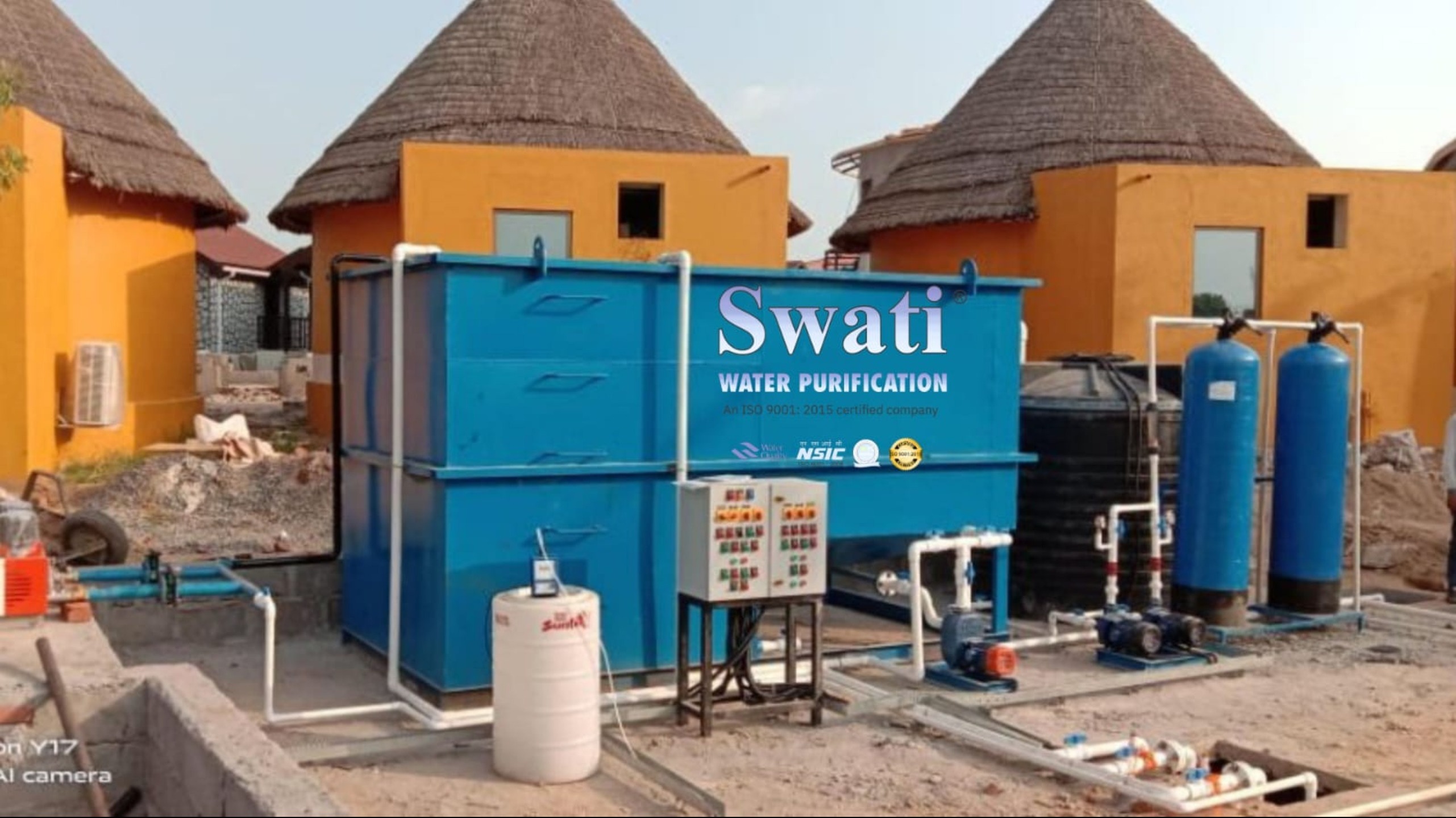
Sewage Treatment Plants Manufacturers In India
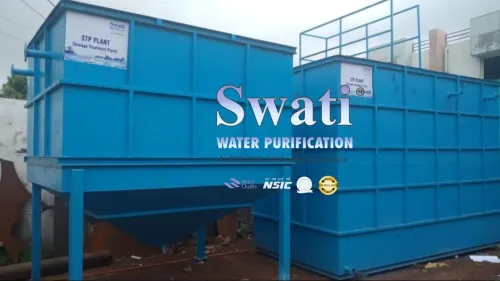
A Sewage Treatment Plant (STP) is a specialized facility designed to remove contaminants from municipal or industrial wastewater. Its primary goal is to treat 'black water' (toilets) and 'grey water' (sinks, showers) so that the effluent can be safely returned to the environment or reused for non-potable purposes like irrigation or industrial cooling.
We Are Manufacturers & Suppliers In Ahmedabad, Gandhinagar, Gujarat, India, Sanand GIDC, Mehsana, Vitthalapur, Mandal Bechraji Special Investment Region(MBSIR), Halol GIDC, Bavla Kerala GIDC, Dahej SIR & PCPIR(Petroleum, Chemicals and Petrochemicals Investment Region), Dholera SIR, GIDC Industrial Area(Gujarat Industrial Development Corporation), MIDC Industrial Area(Maharashtra Industrial Development Corporation), MPIDC Industrial Area(Madhya Pradesh Industrial Development Corporation), RIICO Industrial Area(Rajasthan State Industrial Development & Investment Corporation), PSIDC(Punjab State Industrial Development Corporation), SEZs Area(Special Economic Zones), SEEZ Area(Solar Energy Enterprises Zone) In Rajasthan, Peenya Industrial Area In Bengaluru(Bengalore, Karnataka) etc..
Stages Of Sewage Treatment Plants:
• Preliminary Treatment –Screening, Grit Removal
• Primary Treatment- Sedimentation
• Secondary Treatment – Aeration, Activated Sludge Process, Secondary Clarification
• Tertiary Treatment (Advanced Treatment) – Filtration, Disinfection, Chemical Treatment
• Sludge Treatment- The Sludge That Is removed At Various Stages (Primary and Secondary Clarifiers) Must Undergo Further Treatment.
Technologies Used In Sewage Treatment Plants
• Sequencing Batch Reactors (SBR)- This System Treats Wastewater In Batched Rather Than Continuously. The SBR Process Is Similar to Activated Sludge Treatment but Operates in a Fill-and-draw Mode. Where Wastewater is Processed in a Sequence of Phases, Including Aeration, Settling and Decanting.
• Membrane Bioreactors (MBR)- A More Advanced System Combining Biological Treatment With Membrane Filtration. The Wastewater Is Treated Biologically and Filtration membrane Separates Solids from the Water. MBR Systems Are Effective in Producing High-Quality Effluent But Are More Expensive Than Traditional Methods.
• Moving Bed Biofilm Reactors (MBBR)- This Method Uses Biofilm Carriers In Aeration Tanks to Support Microbial Growth. The Carriers Move Through the Tank and Bacteria Break Down Organic Pollutants as Water Flows Over Them. MBBR Is More Compact and Efficient than Traditional Activated Sludge Systems.
Key Benefits Of STP Plant
Environmental Protection: Prevents the contamination of groundwater and local water bodies.
Water Conservation: Enables water recycling, reducing the demand on fresh water sources.
Regulatory Compliance: Ensures businesses and municipalities meet strict environmental discharge standards.
Odour Control: Modern, enclosed systems minimize the unpleasant smells associated with waste.
FAQ: Sewage Treatment Plants (STP)
1. Does an STP smell bad?
Modern STPs are designed to be odorless. While raw sewage smells, the treatment process uses aeration (oxygen) to prevent the growth of 'stinky' anaerobic bacteria. If a plant smells, it usually means the aeration system needs maintenance.
2. Can the treated water be used for drinking?
Typically, no. While the water is clear and safe for the environment, it is classified as 'non-potable.' It is perfect for gardening, toilet flushing, and industrial cooling, but not for consumption without advanced (and expensive) ultra-filtration.
3. How much space is required?
It depends on the technology. Systems like MBBR are very compact and can often fit in a building’s basement or a small parking area, whereas older systems or SBRs might require a larger outdoor footprint.